

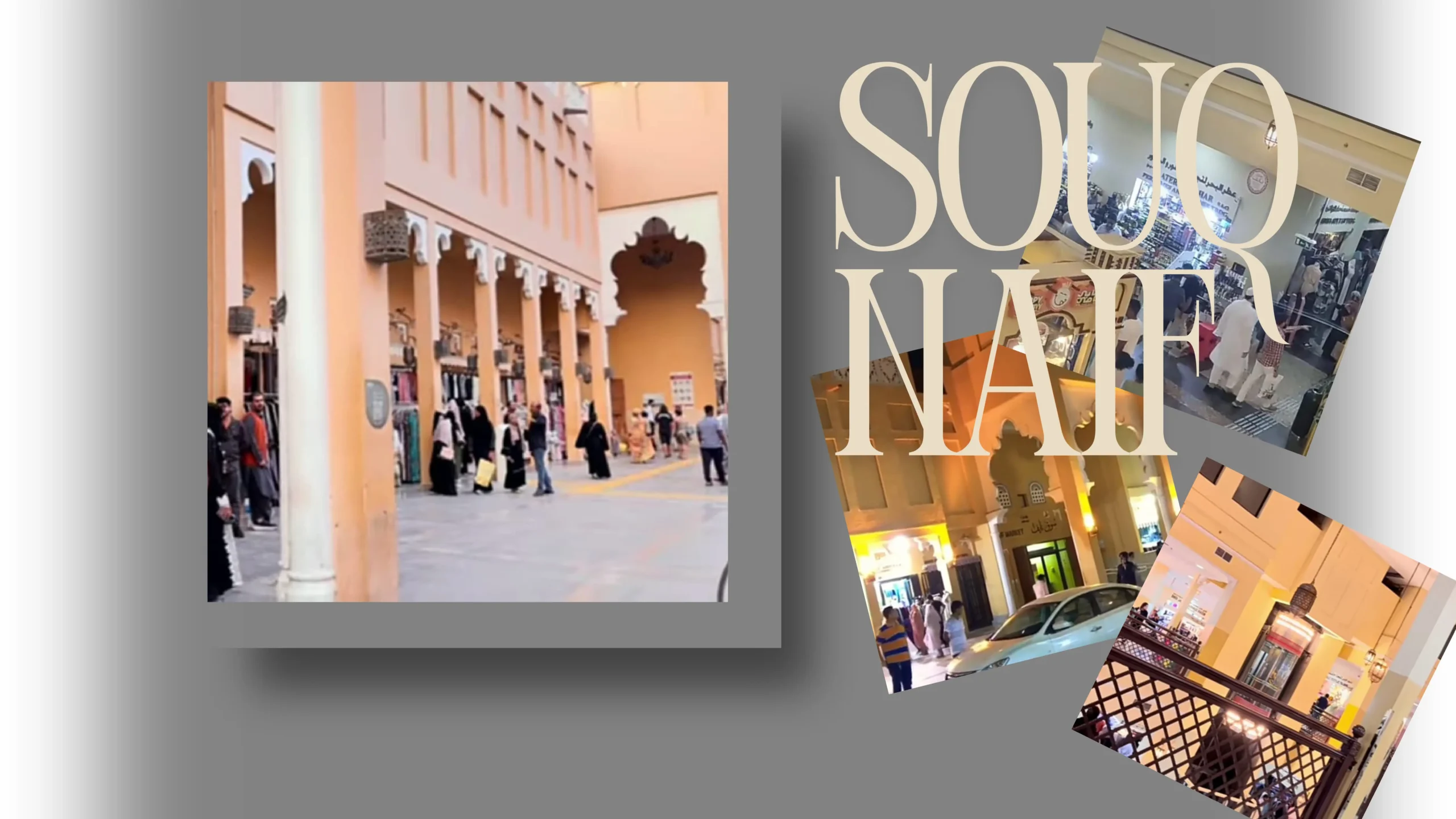

Souq Naif, Dubai: The Old-School Market Locals Still Shop At
Souq Naif is a traditional indoor market in Deira, Dubai, built on the site of a former camel-trading ground and now home to more than 200 shops selling perfumes, abayas, textiles, gold, electronics, and everyday bargains. It sits on Naif Street near Baniyas Square Metro, close to the Gold Souk and Spice Souk, and is best visited on weekday mornings or after 4 pm, when the heat and crowds both ease off.
That’s the summary version. Below is the part that actually matters if you’re deciding whether it’s worth the trip, what to buy, and how to avoid overpaying.
Fast Facts
| Detail | Information |
|---|---|
| Location | Naif Street, Deira, Dubai |
| Nearest metro | Al Rigga or Baniyas Square (both a short walk) |
| Shop count | 200+ |
| Setting | Indoor, air-conditioned market |
| Opening hours | Generally 9 am–10 pm daily, shorter or closed Friday afternoons for prayer |
| Best time to go | Early morning or after 4 pm, weekdays |
| Payment | Mostly cash; some shops accept cards |
| Nearby landmarks | Gold Souk, Spice Souk, Naif Museum, Dubai Creek |
| Known for | Perfumes and oud, abayas, fabric, budget electronics, souvenirs |
| Bargaining culture | Expected and normal |
A Market With a Longer History Than It Looks
Walk past Souq Naif today and it reads like any other indoor shopping strip tiled floors, close-packed stalls, a low hum of Hindi, Arabic, and Urdu overlapping. What that surface hides is that this was originally a camel-trading ground, long before Deira became the retail district it is now.
That history is worth knowing because it explains the layout and the pricing culture both:
- Souq Naif grew organically around trade, not around a mall developer’s floor plan which is why the aisles feel dense and improvised rather than designed.
- Prices were never fixed the way a Western retail chain fixes them, because negotiation was baked into the original trading culture, and that habit never left.
- It was rebuilt over the decades while keeping its original footprint and spirit, rather than being torn down and replaced with something glossier which is a big part of why it still feels distinct from Dubai’s newer malls.
What People Actually Come to Souq Naif to Buy
Skip the generic “everything under one roof” framing here’s what specifically draws people into Souq Naif, broken down by category.
| Category | What you’ll find | Price positioning |
|---|---|---|
| Perfumes | Oud, musk, Arabian oils, attars | Noticeably cheaper than mall perfumeries |
| Clothing | Abayas, kanduras, pashminas, casualwear | Budget to mid-range |
| Textiles | Fabric by the meter, imported and local | Bulk-friendly pricing |
| Electronics | Phones, accessories, small gadgets | Low, but check warranty terms |
| Gold and jewelry | Simpler pieces alongside the nearby Gold Souk | Competitive, but Gold Souk proper has more range |
| Souvenirs | Keychains, magnets, small gifts | Cheapest in the area |
| Spices and snacks | Cardamom, saffron, dried fruit, drinks | On par with Spice Souk |
The honest caveat, since a lot of shopping guides skip this: if you want serious gold or branded perfume, the neighboring Gold Souk and higher-end perfumeries do that better. This market’s strength is volume and value, not luxury.
Getting to Souq Naif Without Wasting Half a Day
- By metro: Al Rigga (Red Line) or Baniyas Square are both roughly an 8–10 minute walk.
- By abra: If you’re coming from Bur Dubai, the traditional wooden ferry across the Creek is the more atmospheric route in, and costs next to nothing.
- By car: Underground parking exists but fills fast; a paid parking complex nearby is the fallback most locals use.
- On foot from the Gold or Spice Souk: All three are close enough to combine into one walking loop, roughly 10–15 minutes apart.
When to Actually Go
Anyone who’s shown up at 1 pm in July already knows the answer, but for everyone else:
- Mornings are quieter and cooler good for browsing without getting jostled.
- After 4 pm brings the market back to life with local crowds, which is also when bargaining tends to work best, since shopkeepers are warmed up and volume-focused.
- Friday afternoons see reduced hours or closures around prayer time plan around it rather than arriving to shuttered stalls.
- Weekends are busiest overall; weekday visits give you more room to actually negotiate instead of queuing.
Bargaining Without Overpaying or Overdoing It
The haggling culture at Souq Naif is real, but there’s a difference between negotiating well and just being difficult. A few things that consistently work:
- Start meaningfully below the asking price, not insultingly low shopkeepers respond better to a serious opening offer than a joke one.
- Carry smaller Dirham notes; needing exact change is itself a negotiating tool, and it speeds up the transaction.
- Compare two or three stalls selling the same item before committing prices for near-identical goods can vary more than first-time visitors expect.
- Politeness moves prices faster than persistence does. Shopkeepers remember friendliness and reward it more than they reward stubbornness.
Round It Out With What’s Nearby
Treating this as a standalone stop undersells it the surrounding few blocks are part of the experience:
- Gold Souk : a short walk away, for the jewelry this market only lightly touches on
- Spice Souk : right beside the Gold Souk, worth pairing on the same walk
- Naif Museum : housed in one of Dubai’s earliest police stations, a quick detour for anyone curious about the city’s history rather than just its shopping
- Dubai Creek : a calmer stretch to sit by once the market’s energy gets to be too much
- City Centre Deira : if you want an air-conditioned, fixed-price contrast right after the haggling
Frequently Asked Questions
Is Souq Naif worth visiting if I’m not planning to buy anything?
Yes the atmosphere, the layout, and the mix of vendors make it worth a walk-through even empty-handed, and it’s air-conditioned indoors, so it’s a comfortable break from the heat either way.
How is Souq Naif different from the Gold Souk or Spice Souk nearby?
Those two lean into a single specialty each (gold, spices), while Souq Naif is broader and more budget-focused better for everyday goods, souvenirs, and general browsing than for high-value purchases.
Do I need cash?
Mostly, yes. Some shops take cards, but cash especially smaller notes makes bargaining and quick purchases far easier.
Is it safe and easy for tourists to navigate alone?
Generally yes. It’s a busy, well-trodden commercial area with steady foot traffic, and public transport access is straightforward from most parts of Dubai.
What’s the single best tip for a first visit?
Go in the late afternoon on a weekday, walk the whole layout once before buying anything, then circle back to the two or three stalls that had what you actually wanted.
Strip away the “top 10 things to buy” listicle framing most guides lean on, and what’s left is a genuinely old commercial district that happens to still function exactly as intended: dense, negotiable, and unpolished in the way Dubai’s newer malls deliberately aren’t. That contrast is the actual reason it keeps showing up on people’s itineraries year after year.